
Heart health monitoring represents one of the most crucial preventive healthcare practices. This can significantly extend life expectancy while improving overall quality of life through early detection of cardiovascular problems. Regular cardiovascular assessment enables individuals to identify potential issues before they develop into serious conditions. Just as homeowners install protective awning systems to shield their property from weather damage. Not to mention, UV exposure that can cause costly deterioration over time.
Connection between Awning and Heart Monitoring
Consistent heart health monitoring provides essential protection against cardiovascular disease that remains the leading cause of death globally. An awning creates a barrier between outdoor elements and valuable property. This is important in a way that it prevents expensive damages and complex repairs. Likewise with regular heart monitoring, it creates a protective barrier against serious cardiovascular events through early detection and intervention strategies.
Early Detection Prevents Major Complications
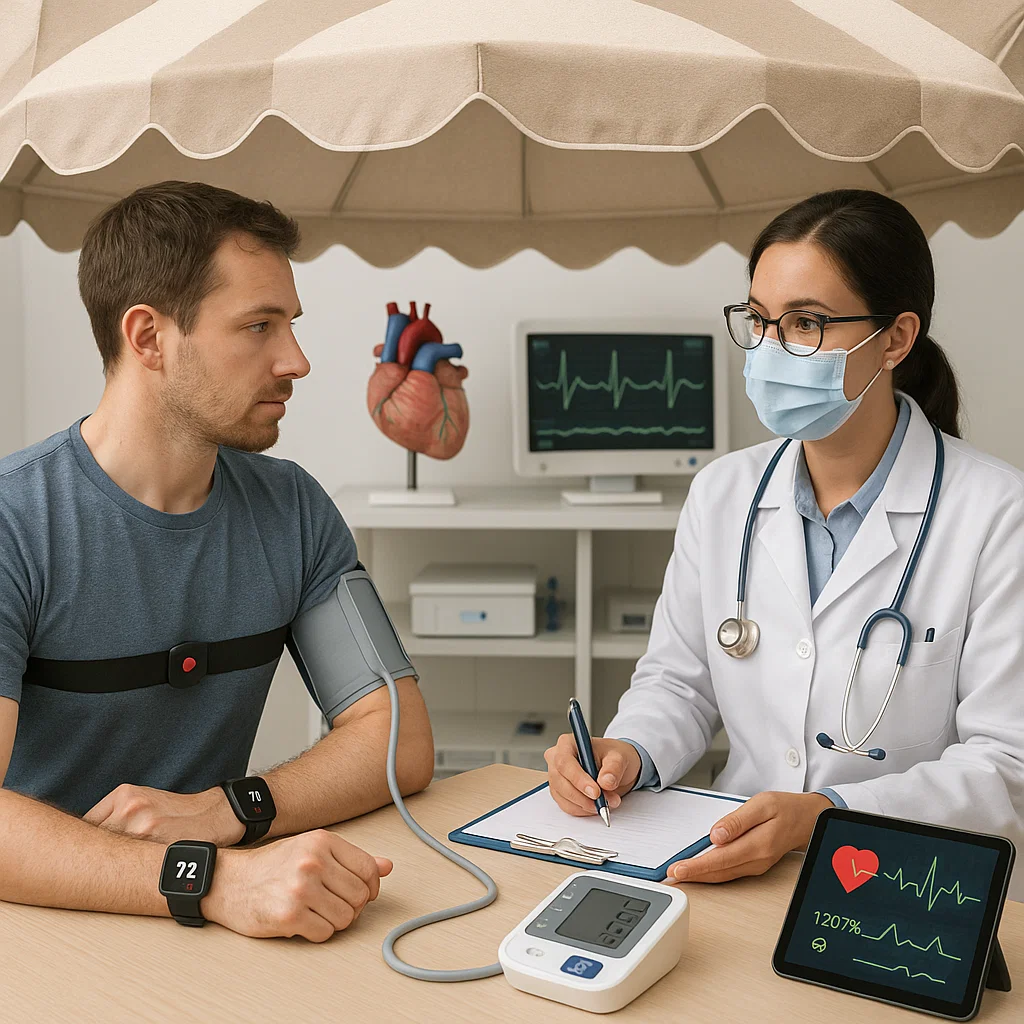
Regular heart health monitoring enables healthcare providers to identify risk factors and early warning signs. An action that prevents any serious problems to turn into life and death situations.
Blood pressure monitoring, cholesterol testing, and electrocardiogram screenings can reveal developing problems. Early detection allows for gradual treatment approaches that are less invasive and more effective than emergency interventions required when cardiovascular problems reach critical stages.
Preventive monitoring also helps establish baseline measurements that enable healthcare providers to track changes over time and adjust treatment strategies accordingly.
Technology Advances Monitoring Accessibility
Modern technology has made heart health monitoring more accessible and convenient through:
- Wearable devices
- Smartphone applications
- Home monitoring equipment
These innovative devices are crucial in providing continuous cardiovascular data. Advanced monitoring systems can detect irregular heart rhythms and provide real-time alerts that prompt immediate medical attention when necessary. The integration of monitoring technology with healthcare systems enables remote patient management and telemedicine consultations.
Lifestyle Integration and Long-term Benefits
Consistent heart health monitoring encourages healthy lifestyle choices by providing immediate feedback on how diet, exercise, and stress management affect cardiovascular function and overall wellbeing.
Regular monitoring helps individuals understand their personal risk factors and develop targeted strategies for optimal heart health. Monitoring also provides peace of mind and confidence in daily activities while enabling informed decisions about physical activity levels and health management strategies.