
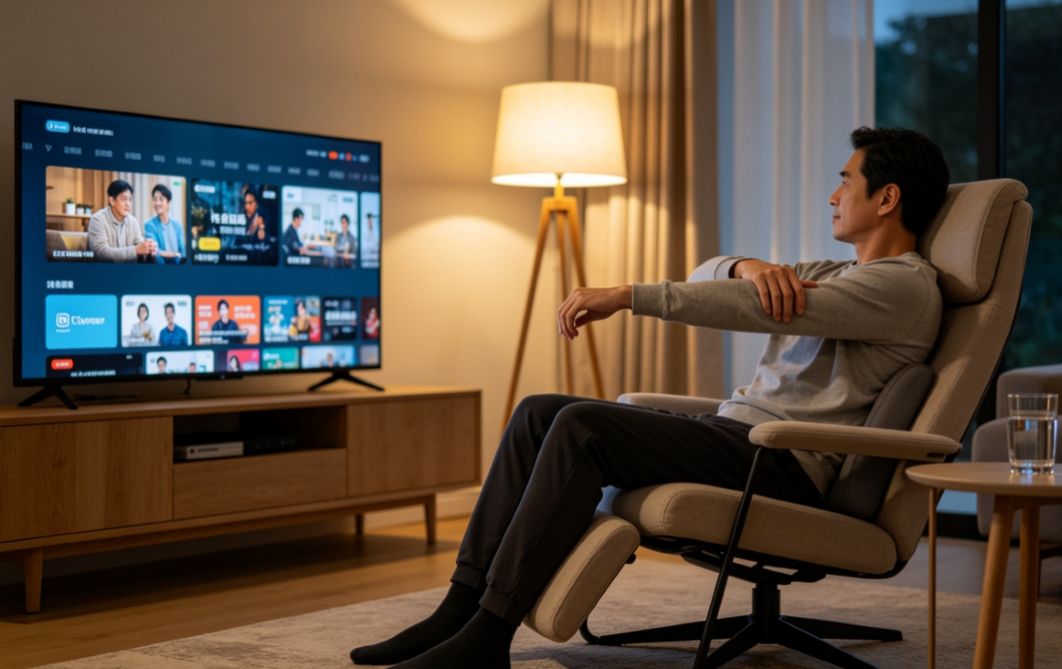
The World Health Organization (WHO) identifies physical inactivity as one of the leading risk factors for poor health worldwide. As streaming services have become part of everyday life, many people now spend hours watching films and television series without realizing how extended viewing sessions can affect their bodies. Entertainment itself is not the concern. Rather, it is the combination of prolonged sitting, continuous screen exposure, and disrupted routines that deserves more attention.
Many viewers enjoy discovering foreign movies through online platforms because they offer stories from different cultures and filmmaking traditions. While exploring international cinema can be an enjoyable way to relax, maintaining healthy viewing habits is equally important. Resources that organize global film collections make it easier to find new content, yet experts continue to encourage balancing entertainment with movement, proper rest, and thoughtful screen use.
Why Long Streaming Sessions Can Affect Your Health
Streaming has transformed how people consume entertainment. Entire seasons are often available at once, making it easy to watch several episodes without interruption. Although this convenience appeals to many viewers, it also encourages longer periods of sitting.
The Centers for Disease Control and Prevention (CDC) explains that spending long periods sitting may contribute to several health concerns when combined with insufficient physical activity. Sitting continuously can leave muscles feeling stiff, reduce circulation, and contribute to discomfort in the neck and lower back. Even individuals who exercise regularly benefit from breaking up extended sedentary periods throughout the day.
These effects often develop gradually. Someone may begin a movie feeling comfortable but notice shoulder tightness, lower back discomfort, or tired eyes after several hours. Because the changes happen slowly, many people overlook the connection between their viewing habits and physical comfort.
Build Small Movement Breaks Into Your Viewing Routine
One of the simplest ways to reduce the effects of prolonged streaming is to incorporate brief movement throughout the viewing session. These breaks do not require an elaborate exercise routine. Standing, stretching, or walking around the room for a few minutes can help muscles recover from remaining in one position.
The American Heart Association notes that regularly interrupting long periods of sitting supports healthy circulation and helps reduce stiffness. Even short activity breaks become meaningful when repeated consistently throughout the day.
Natural pauses make this easier. Episode credits, loading screens, or the time between selecting another film provide convenient opportunities to stand, refill a glass of water, or perform gentle stretches. These habits fit naturally into a streaming routine without disrupting the viewing experience. Growing attention to encouraging exercise through digital platforms also reflects how online experiences can promote healthier daily routines alongside entertainment.
Some viewers also pair entertainment with light physical activity. Walking on a treadmill, using a stationary bike at a comfortable pace, or performing gentle mobility exercises allows people to remain active while following dialogue-driven films or documentary programs.
Protect Your Sleep While Watching at Night
Evening streaming has become a common way to unwind after work or school. However, the timing of screen use matters just as much as its duration.
The American Academy of Sleep Medicine advises maintaining consistent sleep routines and reducing stimulating screen exposure before bedtime whenever possible. Bright displays and engaging content may delay the body’s natural transition toward sleep, especially when viewing extends late into the night.
Simple adjustments can make a noticeable difference. Lowering screen brightness, activating warmer display settings, and deciding in advance when to stop watching help establish healthier evening habits. Turning off autoplay is another practical strategy because it prevents additional episodes from beginning automatically when viewers intended to finish for the night.
Equally important is creating a short transition between streaming and sleep. Reading a book, practicing light stretching, or spending a few quiet minutes away from digital devices allows the mind to gradually shift from entertainment to rest.
Improve Posture Without Making Streaming Less Enjoyable
Comfortable posture is often overlooked until discomfort develops. Many people watch films while leaning forward, reclining awkwardly on sofas, or holding tablets at low angles for extended periods. These positions place unnecessary stress on the neck, shoulders, and spine.
The American Physical Therapy Association recommends arranging screens at approximately eye level whenever practical. Sitting with back support, relaxed shoulders, and feet resting comfortably on the floor reduces strain during longer viewing sessions.
Viewing distance also plays an important role. Sitting too close encourages neck flexion, while sitting too far away may cause viewers to lean forward unconsciously. Small adjustments to seating position often improve comfort more than people expect.
Despite the importance of maintaining good posture, remaining perfectly still is never ideal. Changing positions periodically allows muscles to recover and helps prevent stiffness from developing.
Reduce Eye Fatigue During Extended Viewing
Eye discomfort has become increasingly common as digital screens occupy more of daily life. Streaming sessions contribute to this because viewers naturally blink less while concentrating on moving images.
The American Academy of Ophthalmology recommends following the 20-20-20 guideline to reduce digital eye strain. Every 20 minutes, look at something about 20 feet away for at least 20 seconds. This brief pause allows the eye muscles to relax after prolonged close focus.
Blinking consciously also helps maintain moisture on the surface of the eyes. Dryness often develops because people blink less frequently while watching engaging visual content.
The surrounding environment matters as well. Excessive glare, reflections, or watching in a completely dark room forces the eyes to work harder. Moderate room lighting that matches the screen brightness generally creates a more comfortable viewing experience.
Create a Sustainable Streaming Routine
Healthy streaming habits do not require strict rules or eliminating screen time altogether. Instead, they involve making small choices that support long-term well-being while preserving the enjoyment of watching films and television.
Planning viewing sessions in advance helps prevent unexpectedly spending an entire afternoon or evening in front of a screen. Setting a personal stopping point before beginning a series often proves more effective than deciding when to stop after several episodes have already passed.
Listening to physical signals is equally valuable. Neck tension, dry eyes, restlessness, and increasing fatigue often indicate that the body is asking for a short break. Responding early usually prevents discomfort from becoming more noticeable later.
Many of these habits become automatic with repetition. Keeping water nearby, standing during episode transitions, adjusting seating before pressing play, and maintaining consistent bedtime routines gradually require very little conscious effort.
Conclusion
Streaming platforms have expanded access to documentaries, television series, and international films from around the world. These experiences enrich entertainment choices and expose audiences to different storytelling traditions. At the same time, enjoying digital content responsibly means paying attention to the body’s needs throughout longer viewing sessions.
Research from organizations including the World Health Organization, the Centers for Disease Control and Prevention, the American Academy of Sleep Medicine, and the American Academy of Ophthalmology consistently shows that movement, healthy sleep routines, comfortable posture, and regular eye breaks contribute to better overall well-being. By combining these evidence-based practices with thoughtful viewing habits, audiences can continue enjoying global cinema, international productions, and streaming entertainment while supporting their health over the long term.