
Proper recovery is key to maintaining fitness and avoiding injuries. After an intense workout, muscles need care, and temperature therapy can make a noticeable difference. Alternating between warmth and chill helps relieve tension, reduce inflammation, and improve circulation, supporting overall wellness and performance.
Using heating and cooling systems like HVAC installations can enhance recovery at home or in gyms. Heating soothes sore muscles, while cooling helps curb swelling and reduces the risk of injury. Athletes and fitness enthusiasts are increasingly turning to this method to speed up recovery and maintain consistency in their training routines.
1. Warm Baths for Muscle Relaxation
Soaking in a warm bath after a workout helps muscles unwind. Heat increases blood flow, which delivers oxygen and nutrients to fatigued muscles. Try adding Epsom salts to a bath for extra relaxation and to reduce minor aches. Even 15-20 minutes in warm water can improve flexibility and reduce stiffness.
2. Targeted Heating Pads
Heating pads are perfect for pinpointing tight areas. Applying a pad to specific muscles like the lower back, shoulders, or thighs can ease localized soreness. This method is convenient for quick relief and can be used while reading or watching TV. Remember to keep sessions moderate, around 15-20 minutes, to avoid overheating the skin.
3. Cold Therapy to Reduce Inflammation
Cooling the body after high-intensity workouts reduces inflammation. Ice packs or cold compresses help constrict blood vessels, limiting swelling and pain. Alternating between cold and warm treatments can create a pump effect, improving circulation and speeding up healing in muscles that feel tender or overworked.
4. Contrast Showers
Switching between hot and cold water during showers enhances recovery. Start with warm water for two minutes, then switch to cold for 30 seconds, repeating the cycle 3-4 times. This technique boosts circulation, reduces delayed onset muscle soreness, and leaves the body feeling refreshed. Athletes often swear by this method for quick post-training recovery.
5. Sauna and Steam Room Sessions
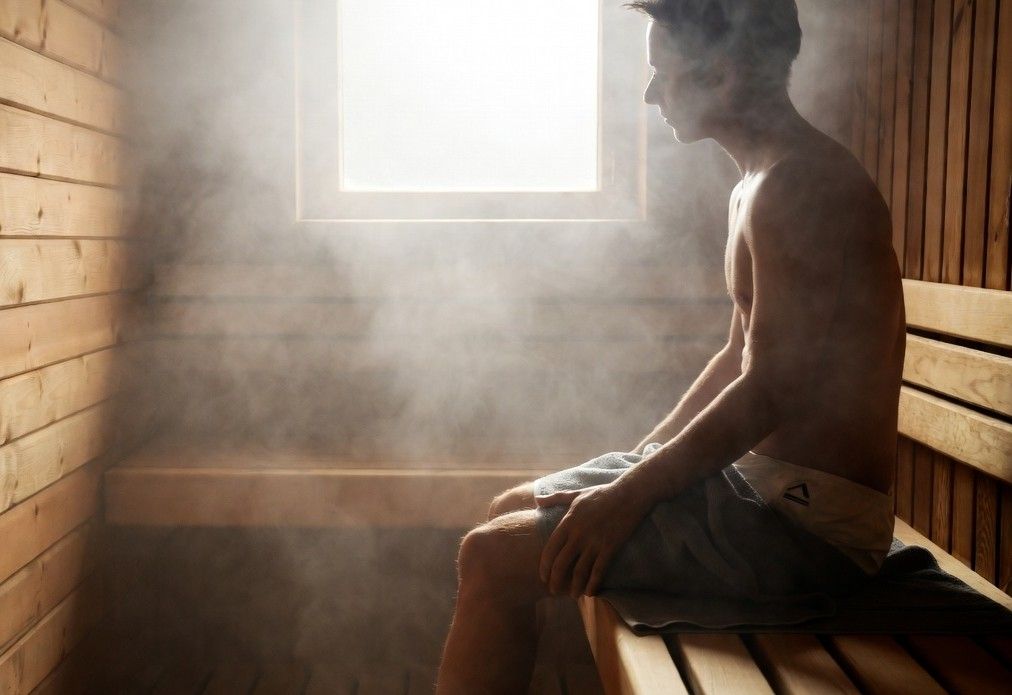
Saunas and steam rooms offer prolonged heat exposure for muscle recovery. Heat encourages relaxation and helps flush out toxins through sweat. Spending 10-15 minutes in a sauna after a workout can increase flexibility, reduce tension, and improve mental well-being. Pairing this with cold showers enhances circulation and gives a complete recovery experience.
6. Temperature-Controlled Recovery Rooms
Advanced gyms and wellness centers use temperature-controlled rooms for recovery. These spaces allow athletes to experience alternating heating and cooling in a controlled environment. Adjusting room temperature can optimize circulation, ease soreness, and enhance overall post-exercise recovery, making training more effective over time.
Extra Tips for Effective Recovery
- Hydration is essential. Drinking water helps flush toxins and supports muscle repair.
- Stretch gently. Incorporate light stretches before and after temperature therapy to maintain flexibility.
- Listen to your body. Avoid extreme heat or cold that may cause discomfort or injury.
- Consistency matters. Regularly applying heating and cooling strategies accelerates long-term recovery benefits.
READ ALSO: Natural Ways to Support Relaxation and Stress Relief
Conclusion
Heating and cooling techniques can transform post-workout recovery. From warm baths and targeted heating pads to ice therapy and contrast showers, these methods improve circulation, reduce inflammation, and help muscles recover faster. Incorporating these strategies into your fitness routine makes recovery more effective and keeps you performing at your best. For a reliable way to manage home or gym temperature, heating and cooling systems provide the comfort and control needed to support recovery efficiently.